

TL;DR
- Process management is not a donut.
- It’s the process that matters.
- No tool is an objective.
- Process architecture discovery translates poster to process.
- The purpose of process is performance.
- The logistics of process changes are much less important than their impact.
- Without proven valued business benefits, all else is waste.
- Performance is the thread that ties together all process work.
- Automating process management doesn’t make technology central, it just changes who (what) is doing the management.
- Don’t build an OPPI – Office for the Prevention of Process Improvement.
- Business Process Indifference is easier, but it’s far less effective.
- The center of effective process-based management must be human (or human-like) knowledge, understanding, and drive.
- Whether human or artificial, we need capable intelligence.
- The hidden cost of not having process at the center of business management is massive.
Process-based management is not a donut.
To be effective it must have a central substantive core of deep knowledge of, and robust commitment to, the enhanced performance of the high-impact processes that operationalize organizational performance to execute organizational strategy.
It’s the process that matters.
Process analysis and execution tools and techniques are, of course, important and increasingly sophisticated and useful, but the critical and central element must be the processes and their needed, known, and predicted performance.
There are many practical things we do (should do), and many tools and techniques we use (should use) to support optimization of organizational performance through performance management of processes – automation, process mining, concept modeling, AI assistance, modelling, simulation, process analysis frameworks, business rules etc. Such artifacts and approaches are important, useful, and necessary. Their effective use is, however, not the ultimate goal.
No tool is an objective.
For optimal organizational performance all the very useful, fast-developing technology magic must be peripheral, and robustly connected, to a deep commitment to actively manage and profoundly understand the practical reality of the business processes that operationalize organizational strategy and deliver value to stakeholders.
The tools are increasingly effective and give us many more options for efficient process definition and analysis, but they can’t be a replacement for intentional and active management of processes.
Active management seeks answers to many questions. What are our high-impact processes? Why? What would good performance look like? Where should we invest scarce resources in the effectively infinite process space? What risks do key processes face? What has changed? What might change? Is all our process documentation, modeling, and analysis work delivering real and sustainable organizational performance benefits? How can we know? What is our RoP (return on process)?
There will be lots of tech involved in capturing the data that enable good decision making, but there is a big difference between being handed the answer and thinking through the issues personally to determine the answer. One gives knowledge; the other leaves both knowledge and understanding.
I’m not biased, you’re biased
We are all biased by our preferences and experiences. I gladly claim my biases. I’ve never been very interested in technology per se. During my electrical engineering degree, I was once asked if I was in the right university faculty – and the person asking was my head of department!
What I have always been very interested in is organizational performance, and how the complex, multi-faceted, wonderfully effective, and fatally flawed thing that is an organization can be so successful, and unsuccessful.
When I first noticed BPM, I saw that the M was for management.
In this paper I’m not trying to relitigate the case I made to Prof Eric about my university program, but to suggest that while technology and techniques are vitally important, we mustn’t lose sight of the fact that profound process understanding should be at the center of all process management and improvement work.
Not a donut but a solid and effective center.
Discovering Processes
If we are to build and nurture understanding of our processes, we first need to know what they are and how they fit together in an operational hierarchy. I call that hierarchy an enterprise process architecture (EPA) or more simply, a process architecture. Whatever you call it, this is the key artifact of process-based management.

Building a process architecture is a standard part of my Reimagine program. I’ve helped some 50 clients to discover the processes that execute their strategic intent. The logistics of that are well covered in my other publications including the video that is accessible by clicking on the image.
A common outcome in such projects, one that is never on the target deliverables list and is usually a surprise for my clients, is a deeper, often much deeper, understanding of organizational strategy. Discovering a process architecture is about asking practical questions about how the statements of strategic intent – vision, mission, purpose, objectives, mandates etc. – are operationalized.
We translate poster to process.
Just as important as the process architecture output is the enhanced understanding of the organization that comes from discussions, debates, and arguments about what the strategy statements really mean, how to name the processes, ensuring they form a coherent whole, and generally creating a useful artifact. (In my projects we do this in a series of short workshops).
Let AI do it all?
We can speculate that a future agentic AI, perhaps even AGI, capability would be able to do it all for us – discover and maintain the process hierarchies, set PKPIs and targets, collect and analyze the data, report, recommend changes, follow through to ensure targeted benefits were delivered. That’s a description of process-based management, and in this case, we’d have an agentic or ‘autonomous’ AI system doing it all for us.
Is that (vaguely? tenuously?) analogous to our DNA which is fundamental to human performance, but about which we typically understand little and have little or no conscious participation in its ‘management’.
Autonomous AI, even AGI, doing all the work for effective process-based management could deliver genuine organizational performance optimization, but would not mean that we’ve put technology at the center.
Profound knowledge about the processes that execute strategy and create, accumulate, and deliver value to stakeholders would still be the central requirement.
The critical need for active process management as discussed in this paper would not have changed.
The difference would be that we’ve been replaced by the AI systems as the process managers.
We produce the artifact, the process architecture, and that is important. Can you short circuit that to get something produced faster? Yes, you can. In fact, I always do that as part of my project preparation. Give me your basic strategic intent description (it’s probably on your website) and I’ll produce a reasonable first-pass process architecture in a couple of hours. An AI tool might do in in as many minutes. A reference model might offer you an instant process architecture.
So why don’t we just go with that? We’ve improved the discovery process, haven’t we? Same outcome and much faster with way less cost – what’s not to like?
It’s not the same at all. Yes, we have a process architecture artifact, but it’s a sterile diagram or list of process names. We’ve created no new knowledge. We’ve not enhanced our understanding of the organization. We’ve lost the opportunity to create a solid foundation for process-driven performance improvement. The arguments are as important as the outputs.
If you use a reference model architecture, you have what is essentially a collection of everyone else’s processes. That’s fine if your processes are the same as everyone else’s, and many are, but isn’t there something unique about your organization (your core processes), and might it not be more effective if the terms used in your process names resonate with your stakeholders?
If an AI platform has generated the architecture, you might have no more than a set of process names, a series of words that are statistically likely based on what others have published. That’s clever, but is it intelligent?
AI suggestions and reference models (and even Roger’s ‘secret draft’) can be very useful as a checklist and source of possible direction and inspiration. I use them frequently as a test for completeness. However, they are not a replacement for organic development. They don’t contribute to the development of a central substantive core of deep knowledge of our high-impact processes.
Process Performance Excellence
The purpose of process is performance.
If we aren’t measuring process performance we aren’t managing the process, and we cannot know if we are improving it.
It’s common to talk about “process excellence”. What I think we really mean, or at least what we should mean, by that term though is “process performance excellence”.
Sure, excellence in process documentation, modeling, and analysis are important, but they aren’t the objective, they don’t define a business problem that needs a solution. No organization has a business problem called “we don’t have enough process models”.
Better use of technology is just one way, albeit an important way, of improving the performance of a process. Optimizing analog components in a process can have a significant impact on performance. The logistics of the change are much less important than the impact of the change.
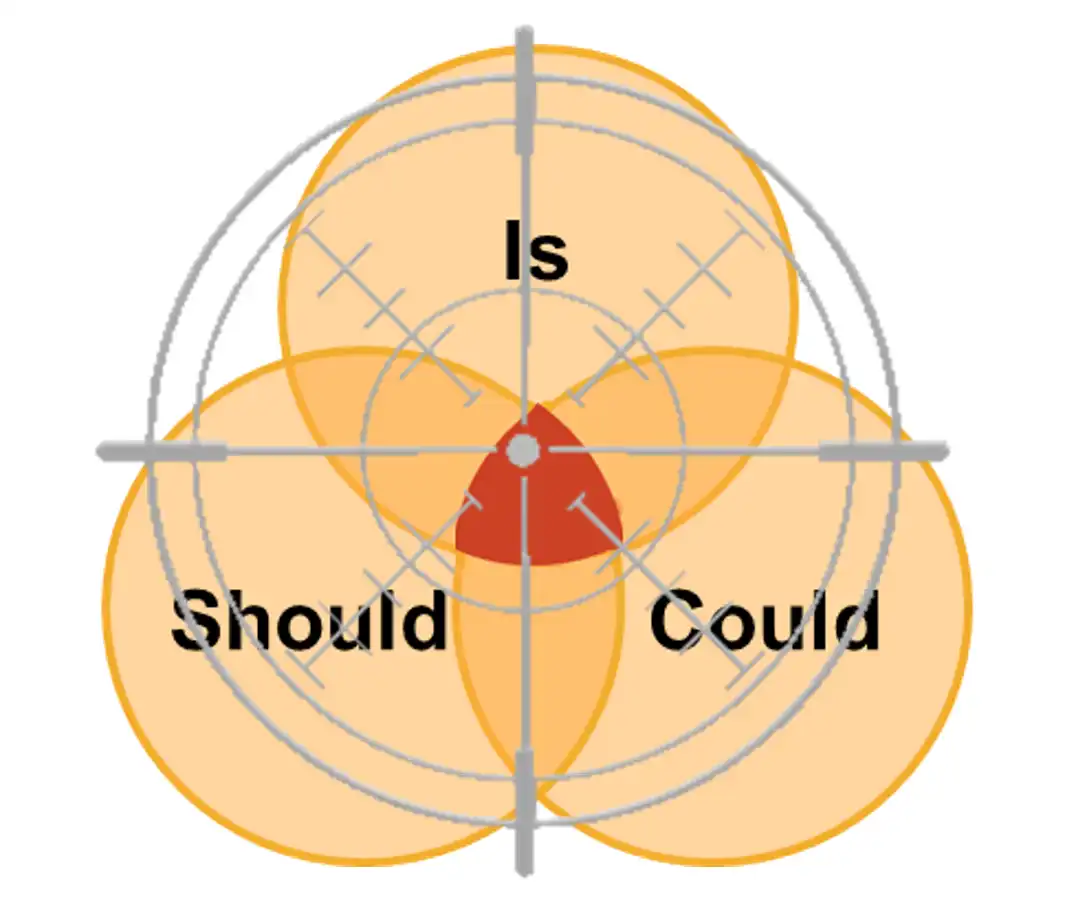
The search for process performance mastery should animate the lifecycle of our process work. Which process? Who cares? What would good look like? How would we know? What has happened so far? Is the process stable within acceptable limits? What could be possible? What will happen next? What risks? What opportunities?
Improved organizational performance gives purpose to, and is the thread that ties together, all our process management and improvement work. Or at least it should be.
Active Management
Processes, especially our high-impact ones, need to be managed. They need to be actively monitored, measured, analyzed, tested, and improved. And repeat.
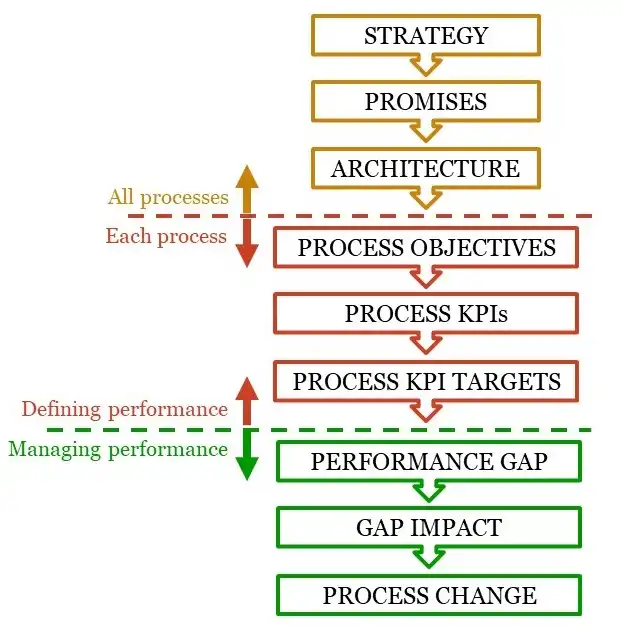
Active management of a process means continuously taking input from many sources and using that to make high-quality decisions about what, if anything, needs to be done to retain or achieve optimum process performance.
This applies irrespective of the degree of digitization of the process. Neither does it assume that the management activity is from a human source.
Process management is a constant search for process performance gaps with a positive business case for closure. A performance gap might be a current or emergent problem gap, or an opportunity gap offering a chance to do something different. Whatever the nature of the gap, it must first be found before the performance benefit can be realized.
The central tenet of process management is … management. Business Process Indifference might be easier, but it’s far less effective.
Delivering on the Promises
Without change all else is waste. And change must be in the form of proven valued business benefits (PVBB). Benefits for the business, valued by the business, and proven with data about which there is no dissent. If you haven’t established PVBB then you are not doing effective process-based management.
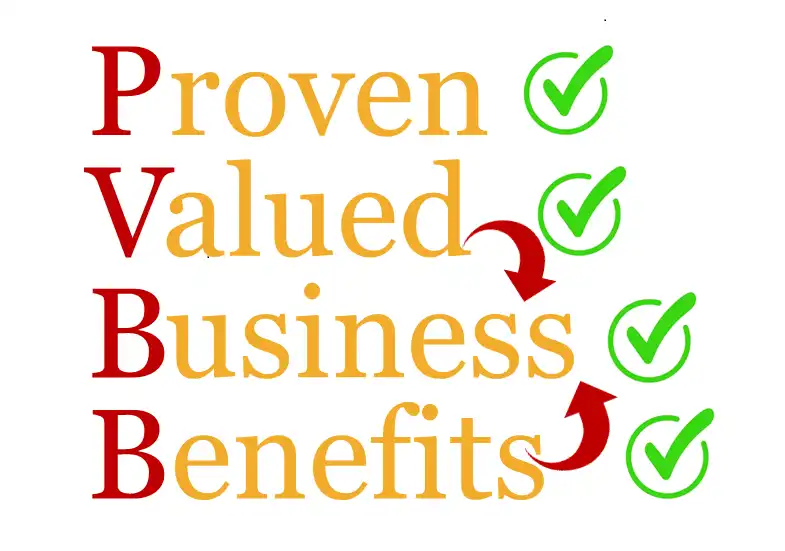
This is central. It must be the purpose of all our process work. The measure of success of our process management and improvement work is not how many processes are documented, or how comprehensive the process architecture is, or how cleverly we’ve used technology etc. The only valid measure is how much our process work has moved the dial on the important measures of organizational performance.
PVBB sets a high bar for effective change. It must be central to all process work. Authentic process performance improvement leading to enhanced organizational performance must be the fundamental driver. Whether we achieve that goal by using the latest AI-assisted tools or brown paper and strings is an analysis project design decision, not an outcome.
Culture Beats Tech
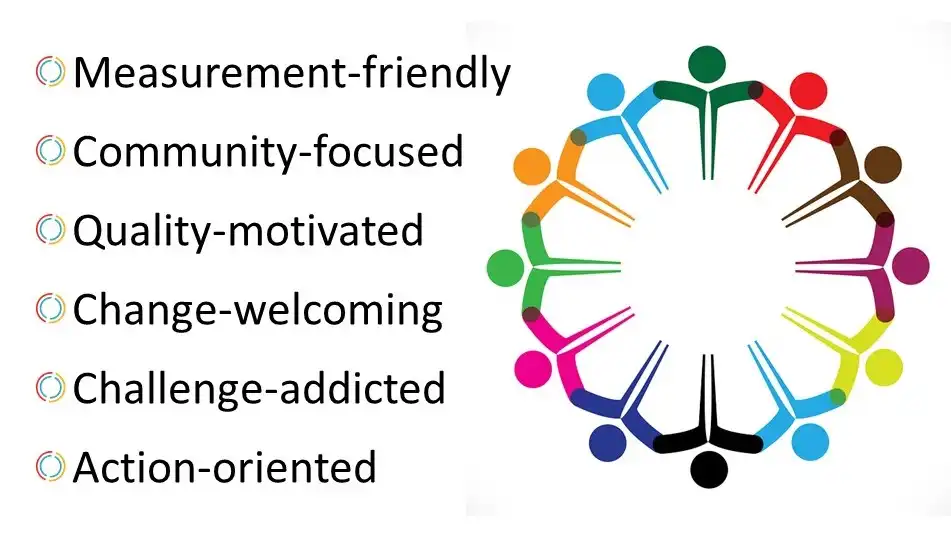 A deeply embedded process-aware culture is a prerequisite for effective and sustained process-based management. Without such a culture, process performance excellence cannot be achieved, let alone sustained, indeed it won’t even be recognized as a desirable objective.
The center of effective process-based management must be human (or human-like, perhaps AGI) knowledge, understanding, and drive. This precedes whatever use is made of technology in process management, analysis, and execution.
Capable Intelligence
It might be that, in time, AI/AGI developments will remove the need to involve human intelligence in the management of business processes.
Of course, if that has happened, the need for any sort of human involvement in organizational management will be questioned, not least by the AGI agent! For the sake of this argument (and perhaps the future of the planet), let’s assume we retain some agency, and focus here on the process management aspects.
When I talk of capability in this context, I mean the ability of everyone throughout an organization to be able to participate appropriately in the analysis and improvement of processes, as well as their execution. Practical knowledge about processes resides with those who work with them – in them – perhaps every day.
Yes, we will have a central support group, but they can’t do everything. Their main objective must be to raise process capability across the organization to avoid creating a process improvement bottleneck.
The intelligence that creates this distributed, high-impact capability might be human or artificial, or a combination of both. As long as it achieves the objective of putting process capability and commitment at the center of management, the source of the intelligence is not material. Whether human or artificial, we need capable intelligence.
A False Center
The BPM Center of Excellence is the not the center we need. If our approach and activity is centered on that small group, we will fail.
A central process support team that is mandated to initiate, and be involved in, all process management and development work will become a significant handicap to process-based management.
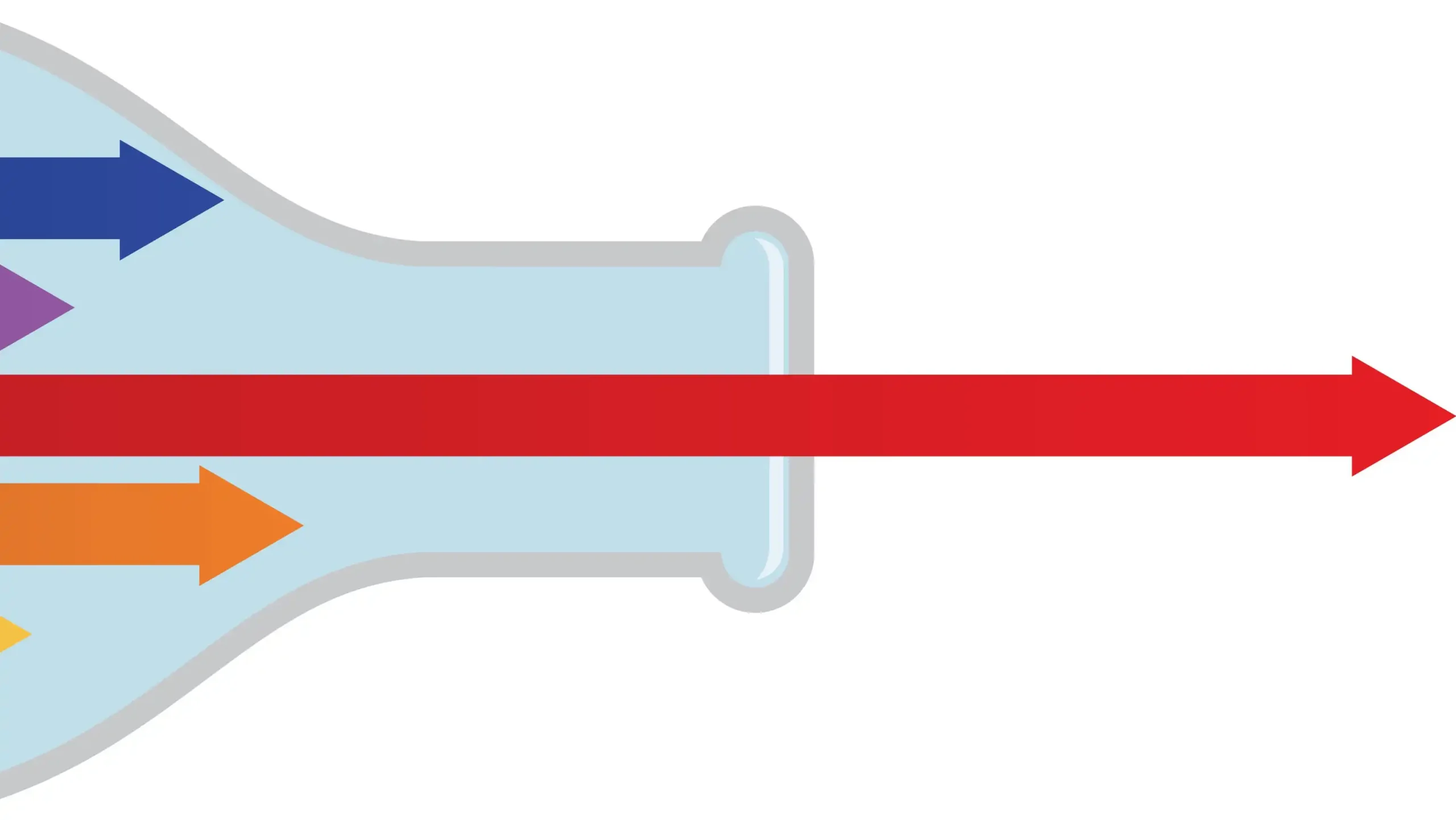
The people in such teams may be very accomplished, but even they have a limit as to how many places they can be at the same time. In any other context a mechanism designed like that would be called a bottleneck, something a process team would be tasked to eliminate. Oops!
The main purpose of a central process support team must be to raise capability across the whole organization. A measure of their success is not how many process improvement projects have been successfully completed, but how often that has happened without their direct involvement.
Filling the missing middle
Process is at the center of business process management. The clue is in the name.
The central focus of all process work must be profound understanding of, and deep commitment to, the core premise that every organization delivers value to stakeholders, i.e. executes its strategy, through cross-functional business processes.
The best performing process in any organization should be the process of process management and improvement! Few organizations can meet that test, and the hidden cost is massive.
Roger Tregear
Bungendore
February 2025
Books and Videos by Roger Tregear

The post The Missing Middle appeared first on Roger Tregear.
